
The White String in My Egg: I Thought It Was Dangerous, But the Truth Surprised Me
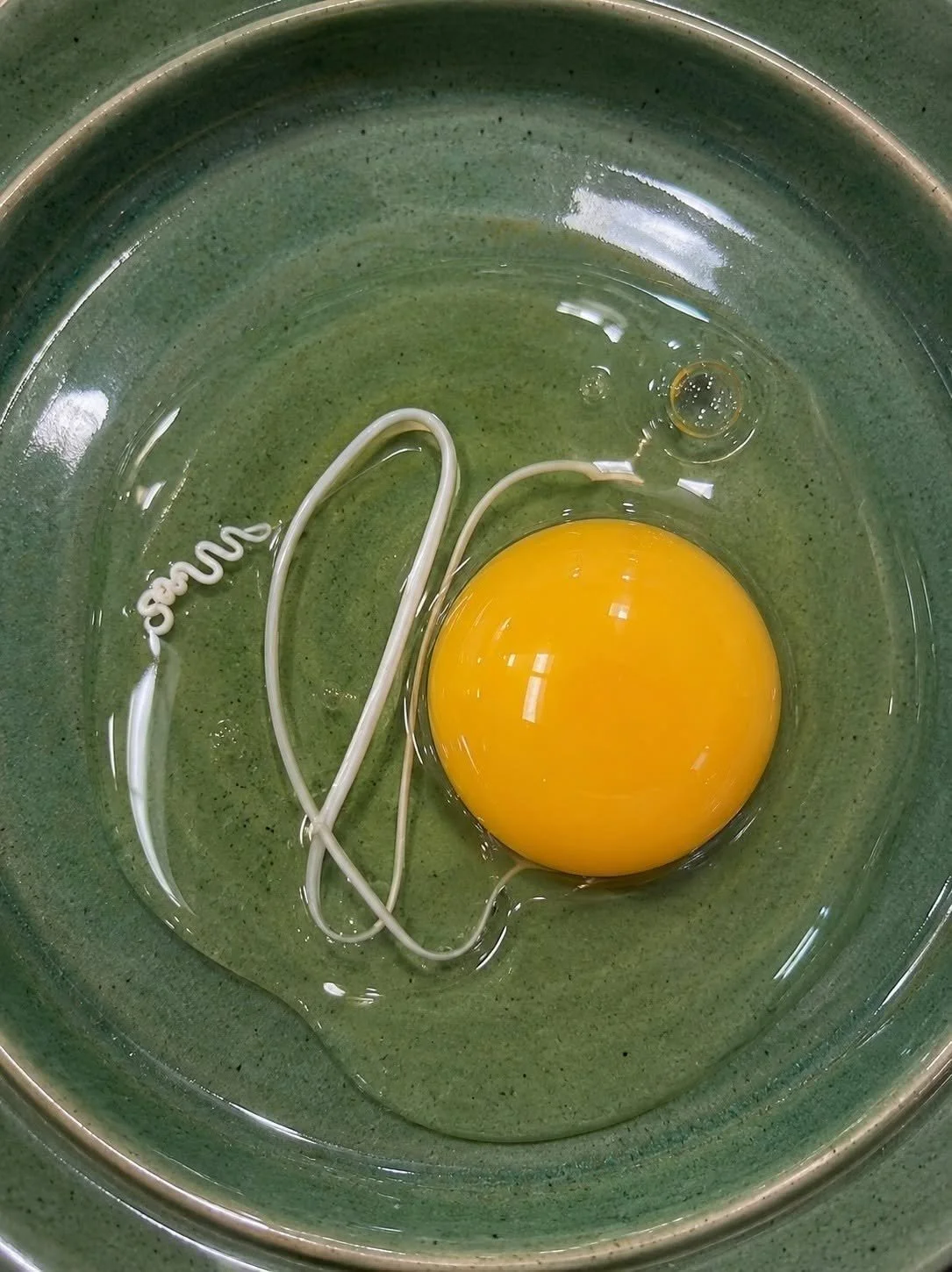
Have you ever cracked open an egg only to find a strange white string attached to the yolk? It can be alarming, especially if you’ve never seen it before. Many of us might think it’s a sign of a dangerous or unhealthy egg. But what if I told you that this little string has a fascinating role in the egg’s development? In this article, we’ll unravel the mystery behind the white string in your egg and why there’s no need to worry.
Why This Works
Understanding the nature of the white string in your egg can change your perspective on food safety and nutrition. It turns out that this string is not only harmless, but it also serves a purpose. By exploring its function, we can appreciate the natural process behind the eggs we consume.
What Is the White String?
The white string you see is called the chalaza, and it plays a crucial role. The chalaza is made up of twisted strands of protein that anchor the yolk in the center of the egg white. This positioning helps protect the yolk from damage and ensures it remains fresh. When the egg is laid, the chalaza is a sign that the egg is fresh and healthy.
Common Misconceptions About the Chalaza
Many people mistakenly believe that finding the chalaza in an egg indicates poor quality. Contrary to this belief, here are a few key points about the chalaza:
- Indicator of Freshness: A prominent chalaza often means the egg is fresh, as it tends to deteriorate over time.
- Nutritional Value: The chalaza contains beneficial proteins, adding to the nutritional value of the egg.
- Cooking: The chalaza won’t affect the taste or texture of your dishes, whether you’re scrambling eggs or baking a cake.
How to Use Eggs with Chalaza
You might be wondering what to do if you encounter chalaza in your eggs. Here are some simple tips:
1. Accept It
Embrace the chalaza as a natural part of the egg. There’s no need to remove it, but if you prefer a smoother texture in your recipes, feel free to do so.
2. Cooking Tips
When cooking, the chalaza will blend into your dish. If you’re making scrambled eggs or an omelet, whisking thoroughly will help incorporate the chalaza seamlessly.
3. Baking Advantage
When baking, you won’t notice the chalaza at all. It will dissolve into the batter, helping create delicious and fluffy treats!
Expected Results
By understanding and accepting the chalaza, you can enjoy eggs with more confidence. You’ll appreciate the natural processes involved in food production and gain a greater respect for the ingredients you use every day.
Extra Tips
Here are a few more insights to enhance your egg experience:
- Storage Matters: Store eggs in the refrigerator to maintain freshness, and check the expiration dates for the best quality.
- Cooking Temperature: Always cook eggs to a safe temperature to reduce the risk of foodborne illness.
- Sustainability: Consider sourcing your eggs from local farms that prioritize humane treatment of hens and sustainable practices.
Conclusion
Next time you crack open an egg and see that peculiar white string, remember that it’s nothing to fear. The chalaza is a simple reminder of the complexities of nature. With this newfound knowledge, you can enjoy your eggs with peace of mind, understanding their role in the ecosystem of food. So whip up your favorite egg dish and appreciate every tantalizing bite!
