
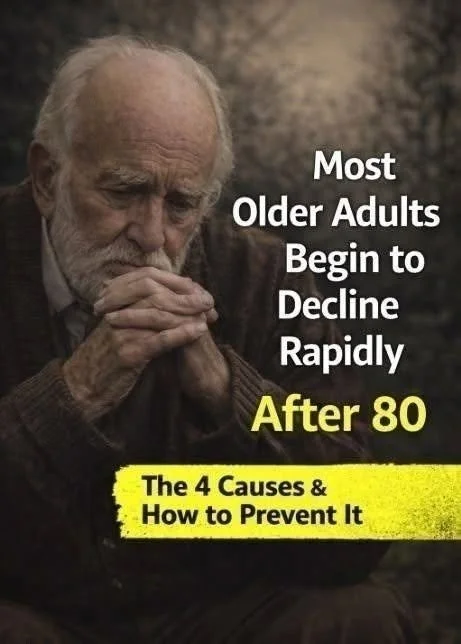
Why Most Older Adults Don’t Live Past 80: 4 Reasons
As we age, many of us aspire to reach the milestone of 80 years and beyond. It’s a number that symbolizes not just longevity but a life well-lived. However, many older adults fail to reach this age, and this raises an important question: Why is this the case?
In this article, we will explore four key reasons that contribute to the fact that many older adults do not live past 80. Understanding these factors can empower us to make healthier choices and potentially elongate our lives.
The Reality of Aging
To understand why many older individuals do not reach this age, it’s crucial to examine the complexities surrounding health, lifestyle, and the environment. We often associate aging with declining health, but there are specific reasons why this trend persists.
Four Key Reasons
1. Chronic Health Conditions
Chronic diseases such as heart disease, diabetes, and cancer play a significant role in limiting lifespan. These conditions often arise due to a combination of genetic predisposition and lifestyle choices. For instance, high blood pressure and elevated cholesterol are common issues that can lead to more serious complications.
Tip for Prevention: Regular health check-ups and screenings can help detect these conditions early. Maintaining a balanced diet and regular exercise is essential for managing weight and promoting heart health.
2. Social Isolation
As people age, their social circles often shrink, leading to loneliness and isolation. This lack of social interaction can have detrimental effects on mental health, which in turn affects physical health. Older adults who are socially active tend to have better emotional resilience and are more likely to engage in healthy behaviors.
Tip for Improvement: Building a network of friends or joining groups with shared interests can combat loneliness. Activities such as community events, clubs, or volunteering provide opportunities for connection.
3. Mental Health Issues
Mental health problems like depression and anxiety can severely impact an older adult’s quality of life and overall health. These issues can lead to decreased motivation to engage in physical activity, maintain social interactions, or adhere to medical treatment plans, ultimately resulting in a shorter lifespan.
Tip for Awareness: Recognizing the signs of mental health struggles is crucial. If you or someone you know is feeling persistently sad or anxious, it’s important to seek help from a mental health professional.
4. Lifestyle Choices
Lifestyle factors such as smoking, excessive alcohol consumption, poor nutrition, and physical inactivity heavily influence longevity. These choices can lead to various health issues, compounding the risk of early mortality.
Tip for Change: Foster healthier habits by setting realistic goals, such as quitting smoking or reducing alcohol intake. Incorporate more fruits, vegetables, and whole grains into your diet and aim for at least 150 minutes of moderate exercise each week.
Expected Outcomes
By understanding these four reasons—chronic health conditions, social isolation, mental health struggles, and lifestyle choices—we can take proactive steps to mitigate their impact. It’s about making informed choices that can contribute to a healthier, longer life.
Extra Tips
- Stay Informed: Educate yourself about aging and health. Knowledge can be a powerful tool.
- Routine Wellness: Establish regular health screenings and check-ups to catch issues early.
- Stay Active: Engage in activities that promote physical and mental well-being.
Conclusion
While reaching the age of 80 is a goal for many, several factors can impede this journey. By understanding and addressing chronic health conditions, fostering social connections, prioritizing mental health, and making healthier lifestyle choices, we can significantly improve our chances of longevity. Let’s take these lessons to heart—not just for ourselves but for our loved ones as well. After all, the journey of life is not just about the years we accumulate but the quality and joy we find along the way.
